Patcham's Ghosts
and
Haunted History
Patcham's history goes back to The Domesday Book and it is said that many ghosts roam the Old Village and other streets and alleyways on cold and dark nights. With "The Gray Lady of Patcham", a Devil Door, Ghost Alley, a Corpse Road leading to an ancient churchyard, deadly Wind Mills, Blood Alley, a King killer and skeletal remains of a more than one murder victim found buried in the grounds of the old village it is no wonder that Patcham has a good claim to being the Spookiest area of Brighton for ghosts and spooky folk law per square meter.
__________________
ALL SAINTS CHURCH
"ALMOST TOO MANY GHOSTS TO COUNT"
WITH,
THE GREY LADY OF PATCHAM,
LURKING SHADOW MAN,
MEDIEVAL LADIES AMONGST THE CHEST TOMBS,
FAMOUS GENTLEMAN SMUGGLAR BURIED THERE,
DOOM PAINTING AND A DEVIL DOOR!
All Saints Church is a picturesque much loved Grade II flint church situated at the top of Church Hill dating back to Saxon times.
All Saints Church could be called Patcham's "Spook Central" due to its many tales of ghostly appearances and local folklore and myths over the centuries both inside the church and in its centuries old churchyard.
The land All Saints Church sits on has been a spiritual site for many centuries and an entry in The Doomsday Book indicates that an earlier church existed on the same site.
Sections of the present church building date from as early as the 12th century. The nave is Norman from the 12th century whilst the tower dates from the 13th century and the chancel from the 14th century. This much loved church is still part of the village community today.
Dare you walk in the dark along the old Corpse Way which is now a pedestrian pathway behind Highview Avenue North, with the graveyards alongside you and only the dead for company?
The shadows that loom from the street light cast eerie shadows across the headstones and chest tombs. Are you sure the rustling footsteps behind you is only a local fox looking for their dinner?
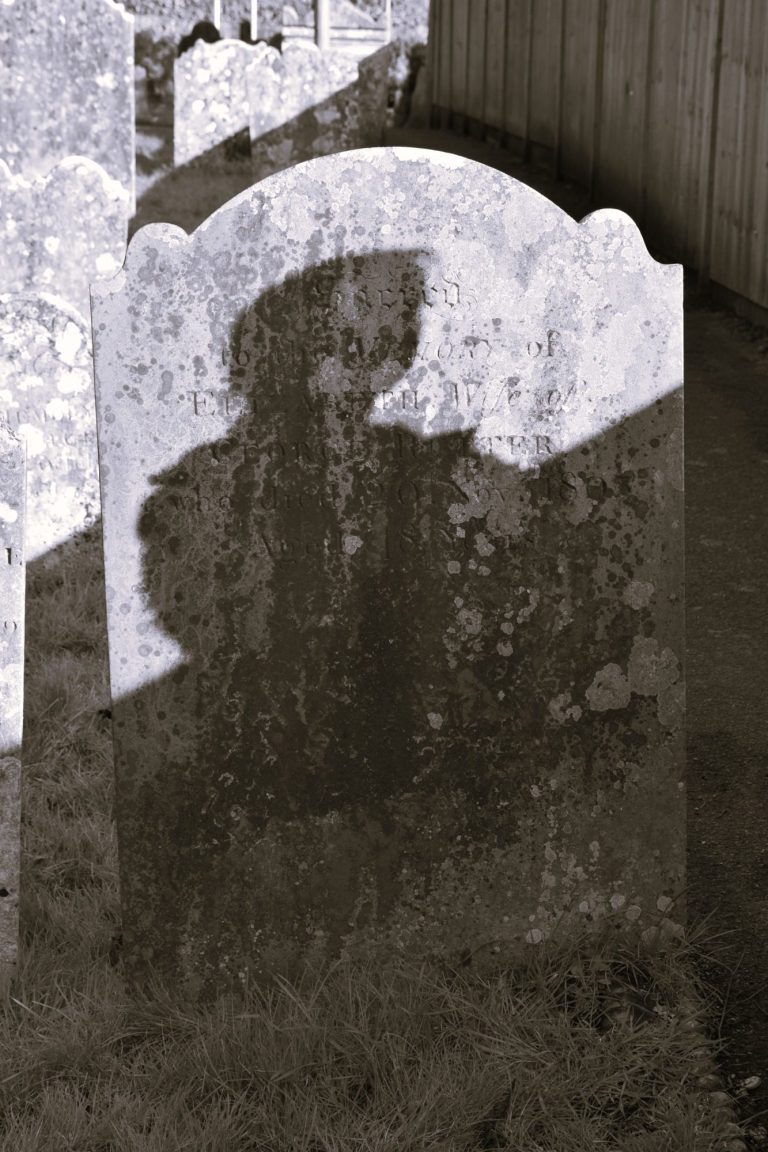
In 1956 two local lads were ghost hunting in the All Saints graveyard when they saw a dark hooded Shadow Man lurking amongst the gravestones causing the boys to immediately flee.
Patcham's All Saints Church has a real life gentleman smuggler buried there with his tombstone on the North Side of the church. This is the famous Daniel Scales, an 18th Century gentleman smuggler and much loved "businessman" of the local community. To find out more about Daniel take a look at the page "Patcham's Real Pirate."
All Saints has a claim to a Devil Door which is the door now bricked up in the North side of the church. The North side of churches by folk belief was thought to be less godly and more associated with the devil.
Any door in the North Side where another door also exists in another side of the church may lay claim in folk law to being a "Devil Door."
You may ask why the devil needed a door to escape a church and why the devil would even be inside a church to begin with. The answer is to do with baptising children.
Many centuries ago when the church services were in Latin the locals had no idea what they were about as they didn't speak Latin. Most people could not read or write at all so like All Saints and it's Doom Painting the walls of churches were adorned with religious imagery to help the congregation understand the religious teachings during services.
The church's use of Latin gave the church more power over the community but it also led to misunderstandings and the Devil Door is one such centuries old myth and local folklore that persists still to this day.
Many centuries ago many church congregations across the UK incorrectly thought that the Devil needed a door to be able to flee the church after the Devil was driven out of a baptised child by the priest. Children were thought to be born with origibal sin and so to be allowed to get into heaven it was believed that the baptism would cleanse the child and reject the devil.
However had the locals known Latin they would have realised that the first part of the ceremony that was held outside the church was the part where the priest would drive The Devil out of the child. The baby was then considered to be free of original sin as they were taken into the church for the second part of the service where the baby was baptised and only at that point made formally a Christian.
Many churches to this day have north doors as their only entrance and the door of a church was usually sited for the local landowner's ease of entrance rather than the villagers or townsfolk convenience.
Some churches with north doors had other larger doors put in at a later date and the drafty north doors were blocked up just to make the church warmer for the entire congregation.
All Saints Church's North Door looks small from the outside again adding to the myth that it is for the devil's exit but once you are inside this beautiful and special space it is clear the north door is a normal size. That is because the churchyard is built up as more people were buried in the churchyard outside and not because the devil is said to have a stooped back being part goat!
Two medieval ladies have been seen chatting whilst wandering amongst the chest tombs and this should not be a surprise to those walking across the churchyard because All Saints was the heart of Patcham and a place where the community held its important events, saints days, market days and local celebrations. Perhaps these two ladies simply do not know that they have died or their conversation was so good they didn't want to end it.
In the 1970's came the most famous ghost of All Saint's Church known as the "Grey Lady of Patcham."
The father of author Cecile Woodford, a young man at the time, decided to attend the Christmas Eve service at All Saints Church and on taking his seat by the Southern entrance door he wasn't surprised on such a bitterly cold night in the unheated church that the congregation was sparce. Celile's father often attended services at All Saints Church and the church was familiar to him.
As the service progressed a tall and thin woman dressed in grey in a nearby pew caught his attention because her clothing seemed inadequate for such a cold night. He noticed the extreme pallor of her face and assumed she was unwell. He moved along the pew a few steps and reached over to put his heavy navy Melton overcoat around the woman's shoulders and whispered a few supportive words as he gave her his coat.
The lady accepted his kind gesture in
silence. He saw her several times during the service as they were the only two people on that side of the isle but when the congregation rose to sing the final hymn he turned his head to see her once more and she had gone leaving his overcoat crumpled where she had sat! He looked around the church but she was nowhere to be seen. Nobody had left the church.
He said to his daughter Cecile that he would have noticed if she had left the church as she would have had to have walked past his seat by the entrance. "Later that night relating the incident at the Village Inn it appeared not so much of a mystery for others had encountered the "Grey Lady of Patcham" as locals at the time called her.
However, "there was one singular point to this encounter for the Blue Melton overcoat remained as new as a day he bought it to the day he died 70 years after," wrote Cecile in her book Portrait of Sussex published in 1972.
The Grey Lady of Patcham has made repated appearances in the pews of All Saints Church on
frosty nights.
____________________________
HIGHVIEW AVENUE NORTH -
A CORPSE WAY WHERE THE DEAD TOOK THEIR LAST JOURNEY
It is very likely Highview Avenue North which backs onto the churchyard of All Saints Church is an old "Corpse Road", "Corpse Way" or "Death Road" according to identification criteria of Corpse Roads given by author Paul Deverux in his book Haunted Land.
Corpse Roads ( also called Coffin Paths, Burial Roads and Lyke Ways; from Old English liches which meant corpse) were used by medieval churches through the centuries as an official pathway for the coffin and funeral procession when the land was otherwise agricultural. Highview Avenue North was surrounded by agricultural land and even had the army training on it between the wars. It is rumoured that the weathervane on All Saints Church has bullet holes in it when during WW2 some Canadian soldiers were taking pot shots at it.
To reach All Saints Church (or the top of Vale Avenue) from Ladies Mile Road you will have to walk on an old "Corpse Road" on which Highview Avenue North now sits. All Saints church pathways including the one at the back of Highview Avenue North mark the end of the Corpse Road as it reaches the church.
Corpse Roads were created in the late Middle Ages when church ministers ordered that the dead could only be buried at "mother churches" which greatly
increased the revenue and power of these mother churches. To be buried in unhallowed ground at another church would affect entry into heaven which most people did not want to risk either for themselves or their loved ones.
This meant the dead often had to be carried many miles to be safely buried in churches with burial rights. Eight men would carry the dead, often in wicker coffins, sometimes using horses, but whichever way they carried the dead it was vital that the corpse would always be pointing towards the church so that the dead didn't get any other ideas and wander off course mid-journey.
Highview Avenue North's pathway for the dead would most likely have crossed the original church field next to All Saints Church where Patcham Pumpkins house and the late 1960's cul-de-sac of Highview Avenue North, Patcham, Brighton now stands.
Why would the funeral party take the longer rural route and not directly past the old village and up Church Hill (then known as Spring Street?)
The living feared that if the corpse was taken past the village the dead would be very tempted to return to life and make mischief for the living.
Large flat boulders, known as Coffin Stones, were placed along the routes of Coffin Roads to rest the coffin on during breaks as the dead could travel for many miles to the nearest church with burial rites. Sadly most Coffin Stones have been removed as land gets developed but the Coffin Roads remain and with them their tales of witches, ghosts and even willow o'wisps to misguide the funeral party and any other travellers along the routes of the dead.
It is not just Britain that has Corpse Roads as there are also Dutch and German Corpse Roads but like Highview Avenue North in time they are often built over for the needs of the living and almost, but not quite,
forgotten in time.
____________________
OLD MILL CLOSE -
A SITE OF TRAGEDY AND GHOSTS
Off Ridgeside Avenue, Old Mill Close in Patcham, Brighton was built around 1934 and got its name from the presence of mills in Patcham for nearly 300 years. Between the end of the 1700's and beginning of the 1800's a smock-mill called Ballard's Mill was built near the land where Old Mill Close is now.
The earliest known mills in Brighton are depicted in a coloured drawing of the French attacking the town. The drawing is dated 1545, but probably based on the events of 1514 when the French invaders landed in Brighton and burnt down every dwelling.
The first ghost of Old Mill Close is a very young male child that local legend claimed died at the nearby mill in a tragic accident. The Sussex Weekly Advertiser dated 8th January 1776 recorded a windmill accident at Patcham Mill when an adult miller working for Mr Scrase was adjusting the sails and they unexpectedly moved. Thankfully on this occasion he only suffered a broken wrist.
Tragedy however struck in 1820 just two years after Richard Ballard bought Patcham Mill. The squat white smock mill (which became known as Ballard's Mill) was not in good position to catch the wind as there were higher hills in the east and west so to overcome that difficulty Richard Ballard made the sweeps as wide and as long as possible that they almost touched the ground. On 3rd July 1820 two year old William Ballard was struck by a sweep on Ballard's Mill and killed. It is little William's ghost that is said to haunt Old Mill Close. Ballard's Mill was taken down around 1900 but the ground floor was retained as a store until 1926 when it disappeared.
There is also a ghostly grey lady in a hood that has been seen by locals at the top of Old Mill Close. She is thought to be a different lady to the one in All Saints Church as the lady of Old Mill Close is reported to wear clothing that is a few centiries old. The trees in the middle of Old Mill Close are much older than 1934 and were left in place when the close was built. Perhaps they have absorbed the tragedy of little William's death and the grey lady in a hood and now replay them as the much debated Stone Tape theory would have you believe.
_______________________
"GHOST ALLEY"
BEHIND HIGHVIEW AVENUE SOUTH
Ghost Alley is a hidden footpath on a climb from Old London Rd opposite the Peace Gardens which comes out above at Highview Ave South. It was called Ghost Alley, Ghost Track or Ghost Lane by local children because many locals reported seeing a skull set into the window sill of an old house there.
Thanks to a local on the Brighton Past group on Facebook Patcham Pumpkins were told that in the 1950's the skull was "integrated into the masonry of a flat windowsill so that the frontal area protruded." That local remembered it being not in the windowsill of the main house but set in the windowsill of "a small brick built garden outbuilding that was situated just past the dog-leg in the twitten.
Ghost Alley still remains to this day as the council redirected the footpath when the new homes were built at the top of it so if you remember entering this twitten's pathway from the right hand side from Highview Avenue South take a look to the furthest left and you'll see the diverted pathway now on your left into Ghost Alley. Patcham Pumpkins volunteers have braved Ghost Alley in 2025 and whilst no skull remains it has a suitably spooky atmosphere to this day.
__________________________
PATCHAM PLACE -
GHOSTS, MURDER & REGICIDE
On the A23 sits the large Grade II listed mansion of Patcham Place with its distinctive black glazed mathematical tiles surrounded now by large black iron gates. Several spirits are said to roam this Patcham Old Village mansion.
Built in 1558 Patcham Place passed through several owners who over the centuries changed its Elizabethan appearance to the black tiles and Tuscan doorway we see today.
It went from a private family home to the place where the parish constable took people suspected of crimes to be charged in the presence of a Justice of the Peace. In WW2 it was a barracks for Canadian servicemen.
In 1926 Patcham Place was bought by the Brighton Corporation and rented to the Youth Hostel Association from 1939 to 2007. The hostel staff claimed a feeling of malevolence was common in the ground floor restaurant especially after dark.
Patcham Place's most famous spirit is a King killer! Sir Anthony Stapley (1590 - 1655) was a staunch supporter of Cromwell and he was one of the signatories of the death warrant of King Charles I. Sir Anthony believed by signing King Charles' death warrant he would be ending the entire monarchy.
Sir Anthony went on to have a very
successful life under Oliver Cromwell's parliament and he is buried in All Saints Church.
However, Sir Anthony's spirit has said to been made restless by his son John Stapley who became a Royalist and supported the return of King Charles II. Sir Anthony is said to groan and rattle chains around Patcham Place on the date his son John was knighted by King Charles II.
A murder most foul caused a second haunting seen by many locals...
In 1764 Patcham Place was bought by John Paine and by 1782 he had expanded the building to its present form you can see today.
In 1796 a ghostly tale about John Paine's land was reported in the Sussex Weekly Advertiser as "supernatural appearances which greatly alarmed some respectable persons." Many locals would not pass that way at night and the ghost was said to be most active on Christmas Day each year by several people who strongly denied that it was their imagination.
180 years later, when some men were digging out a dyke on the grounds of Patcham Place in 1976 they came across the skeleton of a female about 18 inches underneath the surface who had been brutally murdered.
13 years previously to 1796 a bundle of a woman's clothes had been found in a field of corn near the same spot by Mr Grover of Brighton and this gave further credence to the murder. We do not know if the murder victim was laid to rest in the churchyard at All Saints Church or on any hallowed ground.
Patcham Place also has a ringing bell heard on the top floor of the house and a woman waving a handbell has been seen on the staircase.
__________________________
A23 - SPECTRAL PEDESTRIANS
GHOSTLY DOG
"BLOOD ALLEY / CORONER'S CORNER"
The A23 leading out of Patcham and the city of Brighton, once a favourite haunt of smugglers and highwaymen, has had so many sightings of vanishing pedestrians since the 1960's that it has become notorious as one of the most haunted roads in the country for its many "Spectral Pedestrians". Ghost hunter and serial author on the paranormal Andrew Green considers the A23 around Pyecombe and towards Patcham to be among the most haunted in South East England.
The Argus newspaper (formerly called The Evening Argus) has reported many Spectral Pedestrian sightings over the decades on the A23 including a male figure in a distinctive red coat (could this be Danny Robbins of Uncanny in a time slip?) that stepped out in front of a car only to vanish into the air.
It is interesting to note that at Handcross on the A23 there are reports of a woman in a distinctive red coat who waits by the side of the road for someone to offer her a ride, only to disappear if someone pulls over to help her.
Those in Uncanny's "Team Sceptic" may ask if the man in the red coat could be a case of "contagion" thus changing
locations and sex rather than a different spectre? Those in "Team Believer" could find the descriptions too different to be the same spectre.
In an article tilted, "Secrets Of the Spookiest Road Revealed" dated 19th November 2001 The Argus even claimed that the A23 is "the most haunted road in Britain."
The Argus has also reported in articles written in 2008 and 2012 that part of the A23 near Handcross is known by locals as "Blood Alley" due to the high amount of accidents on that stretch of the A23. According to locals through the very active Facebook Group Brighton Past several names were given to Patcham Pumpkins for Blood Alley including The Bloody Mile, Coroner's Corner and The Mad Mile.
OTHER GHOSTS OF THE A23
At Christmas 1976 Mr Dave Wright and his wife Joan were driving on the A23 back towards Patcham when their
headlights picked out a man in shirt sleeves staggering across the road into the path of their car. Both thought the man looked dazed and he came so close to their car that Mr Wright was sure that their car had hit him. Before turning their car around to find him Joan locked the car door, "something I never normally do", "I felt a bit scared" said Joan. There was no trace of anyone to be seen. They both
described the experience as "eerie."
_________________________
Just a month earlier in December 1976 Mr Patrick Geary and his wife June saw a young woman wearing a white mackintosh coat running along the central reservation ahead of them. She had no hands or feet that the couple could discern. Suddenly she turned and ran into the road ahead of the Geary's car. An accident was unavoidable and the couple saw her gliding across their car's bonnet wihtout impact. The Geary's felt they must have collided with the figure but on searching there was no-one to be found.
Is this the same woman that Michael Dawes and his wife from Withdean saw in 1968, 8 years earlier than Patrick and June's sighting, as they travelled back at twilight from Crawley with two friends in their car? Michael was driving when he suddenly saw a female figure clad in a white rain coat run across the road to the central reservation and disappear just after they had passed Pyecombe on their way back into Brighton. Michael knew he did not imagine her because his wife and one of their friends also saw her run into the road and disappear. Michael did not come forward until he saw the Evening Argus article in December 1976 which reported that Patrick Geary and his wife June had seen a lady with a very similar description at the same spot.
A limping blonde woman has been seen at the same spot as she limps down the road and the ghost is thought to be that of a young blonde woman that died in the 1960's in a motorbike accident.
_________________________
MORE SPECUTRAL PEDESTRIANS
A young man in cricketing clothing, a tall thin woman in a hooded cape accompanied by a young child similarly dressed and another small child in a duffel coat have also been seen on the A23 as one drives into or from Patcham. Few road ghosts are children so these add to the mystery of the haunted A23.
_________________________
GHOST DOG OF THE A23
In December 1996 a ghostly golden Labrador dog was spotted on the A23 at the Brighton pylons by local taxi driver Leonard Bish when the dog walked out straight in front of him. "I was just driving along when suddenly I saw this dog just walk slowly out in front of me. I had to swerve hard to avoid it." Leonard knew of one other person who had driven straight through the dog. Further
sightings of the same dog appeared in February 1997. Local speculation claimed that the pet golden Labrador belonged to a local farmer and had sadly been killed on the road by a car 10 years before.
_________________________
Ghost sightings on the A23 have continued into the 21st century and a nurse travelling home to Brighton late one night encountered a figure in the road which just like all the others inexplicably vanished into thin air.
_________________________
DEVIL'S DYKE -
TIME SLIP
In the early 1930's when Mrs Stevie Hobbs was 4 years old she had been taken to the Devil's Dyke, a beauty spot, by her foster mother. The Devil's Dyke is a dry valley beneath an Iron Age hillfort. The young Stevie asked her foster mother what had happened to the "train on a rope" saying that it was there when she was taken by someone else to visit the Devil's Dyke. The foster mother told her not to be silly but many years later Mrs Hobbs came across a book that documented the cable car attraction that had been in operation on the site from 1894 to 1909 when it was mostly dismantled due to not being financially liable.
________________________________
The Ghosts Haunting Argus Newspaper's
Reporters & Staff
The Argus reporters and staff could be called ghost experts as the previous building of the Evening Argus in the city centre on Robert Street (now the
residential Argus Lofts) had more than one spooky presence seen, heard and felt by many of the employees.
A photographer Jerry Casswell, a sceptic, claimed to have seen "the figure of a one armed highwayman" in an upstairs office whilst working late.
The late Andrew Green reported a "really weird" phantom was seen by staff and in the 1970's the Evening Argus building had ghostly footsteps frequently heard.
The Chief Photographer Dennis Wixey when working in the same office felt something unseen touching his back.
The Evening Argus main building had no basement but there was a second building in the early 1980's in nearby Regent Street used by the newspaper where records, back issues and books were kept in its basement which was accessed by a lift.
It was a brave employee that ventured into that basement alone as the feeling of being watched by a very angry presence was overwhelming. It is no wonder as the next street Jubilee Street used to house an open air carpark with bombed out
buildings that were removed in the 1990's. That carpark had a ghost of a little boy holding a toy who was thought to be a victim of the WW2 bombs that fell on Brighton. The Jubilee Library and square is where that open air carpark and bombed out buildings were.
____________________________
SOURCES;
BOOKS -
* Brighton Ghosts, Hove Hauntings (True Ghost Stories from Brighton, Hove and neighbouring villages) by John Rackham is the ultimate ghost guide of Brighton and Hove and highly recommended by Patcham Pumpkins. Copies of this 366 page book are rare and not cheap but it is the perfect reading for Halloween if you are lucky enough to obtain a copy. It was published by Latimer Publications in 2001.
* Portrait of Sussex by Cecile Woodford published by Robert Hale Limited in 1972
* Haunted Brighton by Alan Murdie. Published by The History Press in 2006.
* Sussex Ghosts & Legends by Tony Wales published by Countryside Books in 1992.
* Ghosts of Sussex by Judy Middleton published by Countryside Books, reprinted 1996
* Haunted Places of Sussex by Judy Middleton published by in Countryside Books in 2005.
* Haunted Land by Paul Deverux
published by Little, Brown Book Group in 2002
ONLINE SOURCES -
* Sussex Archaeology Industrial Society Website - "Chapter 5 The North Brighton Windmills - Patcham Or Ballard's Mill" from "The Windmills and Millers Of Brighton" by H.T. Dawes 2002 An Addition of Sussex Industrial History Journal of The Sussex Industrial Archaeology Society www.sussexias.co.uk
* Sussex Mills Group - www.sussexmillsgroup.org.uk
* Mills Archive Trust - www.millsarchive.org
* Preston Pages website article on Patcham Place titled "No Ordinary Ghost Story, No Ordinary House" (www.prestonpages.com)
* All Saints Church website
(www.allsaintspatcham.org.uk)
* The Paranormal Database (www.paranormaldatabase.com)
* My Brighton and Hove website (article "A Windmill in 1620" - www.mybrightonandhove.org.uk)
* Ghost Walk Of The Lanes - www.ghostwalkbrighton.co.uk
* The Argus newspaper - online articles
* Patcham Conservation Area Appraisal by Brighton and Hove City Council 2010.
* Website of Fulking village. (www.fulking.net)
*Discover Britain magazine website (https://www.discoverbritain.com)
* Dales Discoveries website (www.dalesdiscoveries.com)
* Higgypop website (www.higgypop.com)
THANK YOU TO ALL LOCALS WHO PROVIDED THEIR PERSONAL GHOST STORIES FOR THIS PAGE.
A headstone at All Saints Church in 2025. Uncanny fans "Team Skeptic" will no doubt notice that this shadow person is in fact a shadow of a real person. We know it is real as it belongs to a Patcham Pumpkins volunteer! Copyright Patcham Pumpkins 2025.
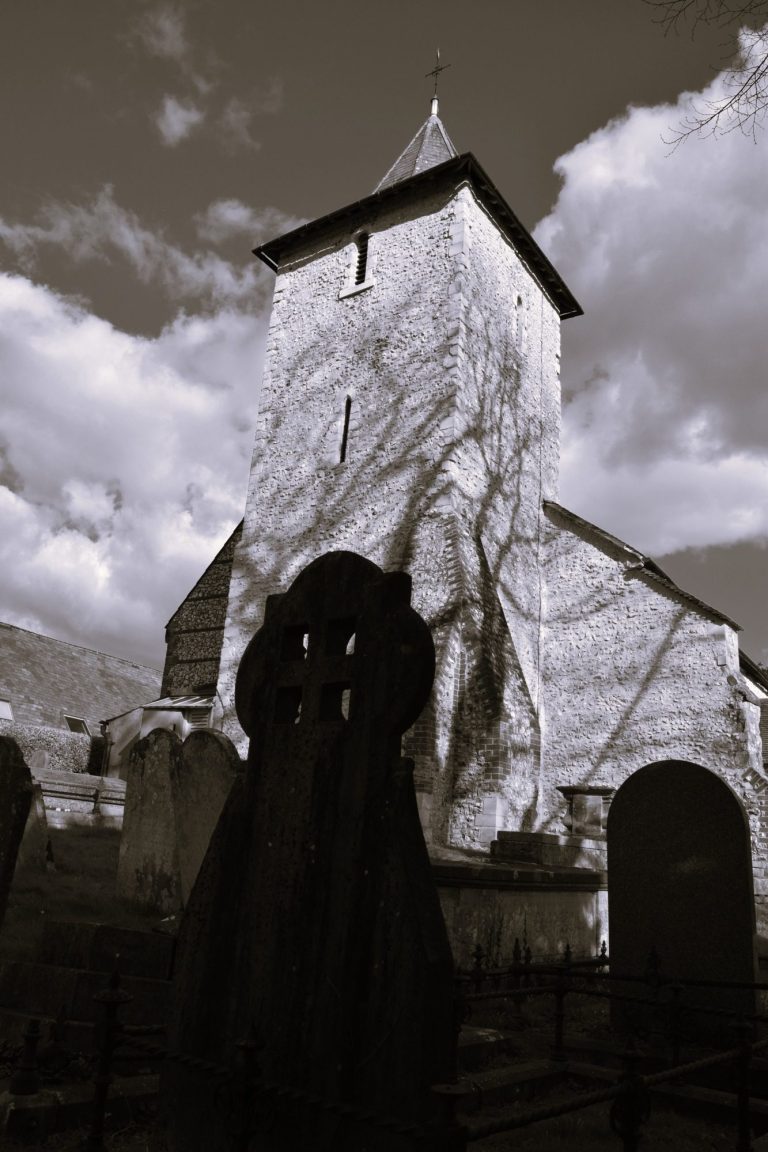
2025 photograph of All Saints Church taken from the Church Hill entrance. Copyright Patcham Pumpkins 2025.
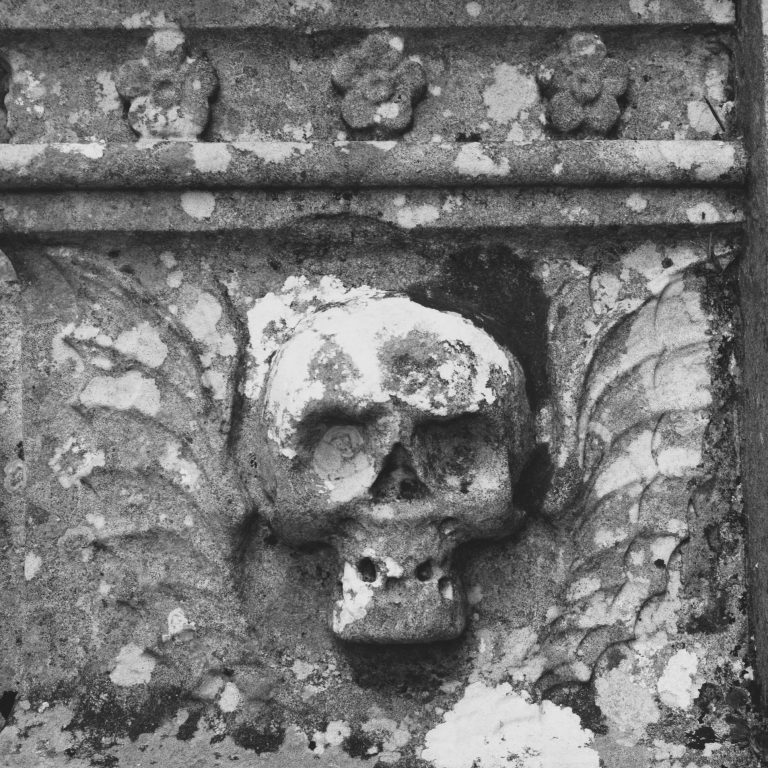
This winged skull is on a unique chest tomb in All Saints Churchyard and it also has coffins, skulls with the jaws separate, lit torches and cherubs as part of it's unique carving. It sits on the east side of the church behind the many Scrase family tombstones. Copyright Patcham Pumpkins 2025.
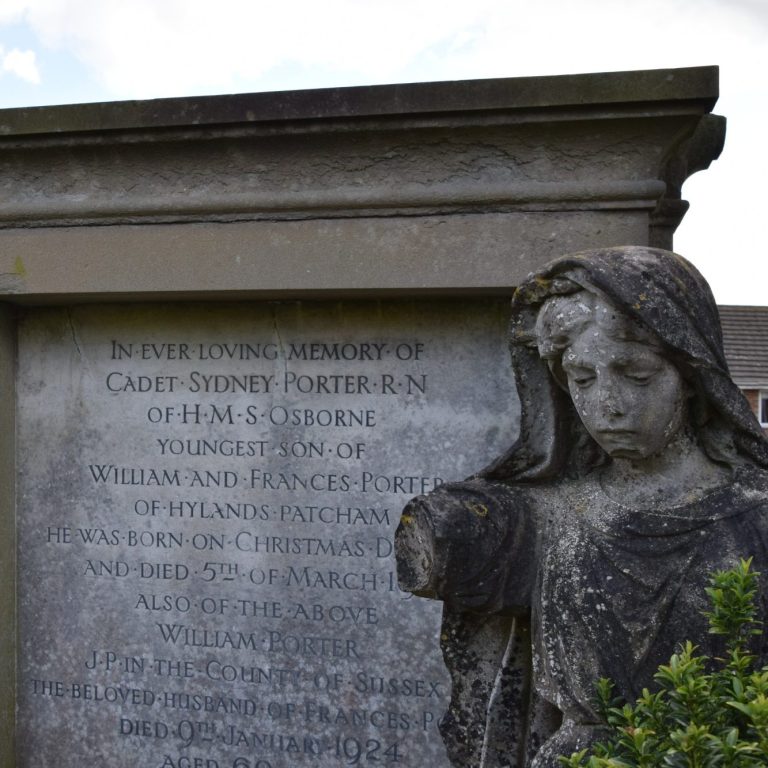
This is the monument to young Sydney Porter at All Saints Church who died on 5th March 1917 of measles which lead to bronco pneumonia when a measles outbreak occured at the Royal Naval College at Osborne on the Isle of Wight in February 1917. Sadly this measles outbreak took the lives of several naval cadets in February 1917 as well as Sydney. Without measles vaccination 1 in 20 today can die from measles. Copyright Patcham Pumpkins 2025.
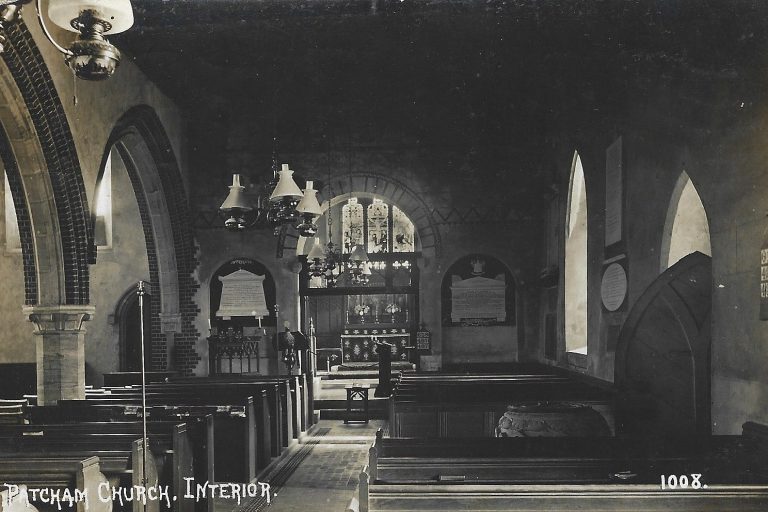
Vintage 1918 postcard of the interior of All Saints Church in Patcham. The main entrance door is shown here on the right. Copyright Patcham Pumpkins 2025.
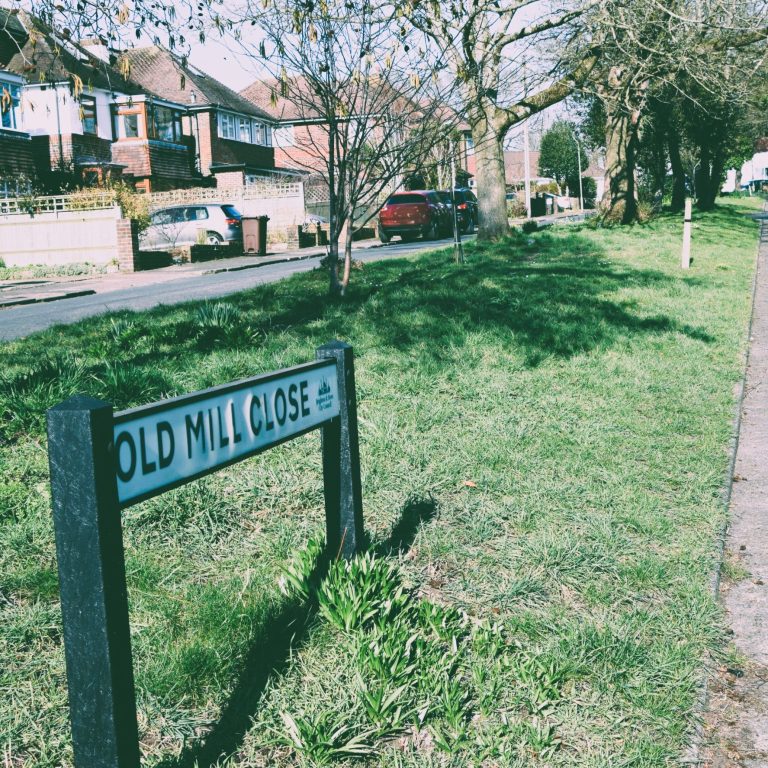
Old Mill Close photograph taken in 2025. Copyright Patcham Pumpkins 2025.
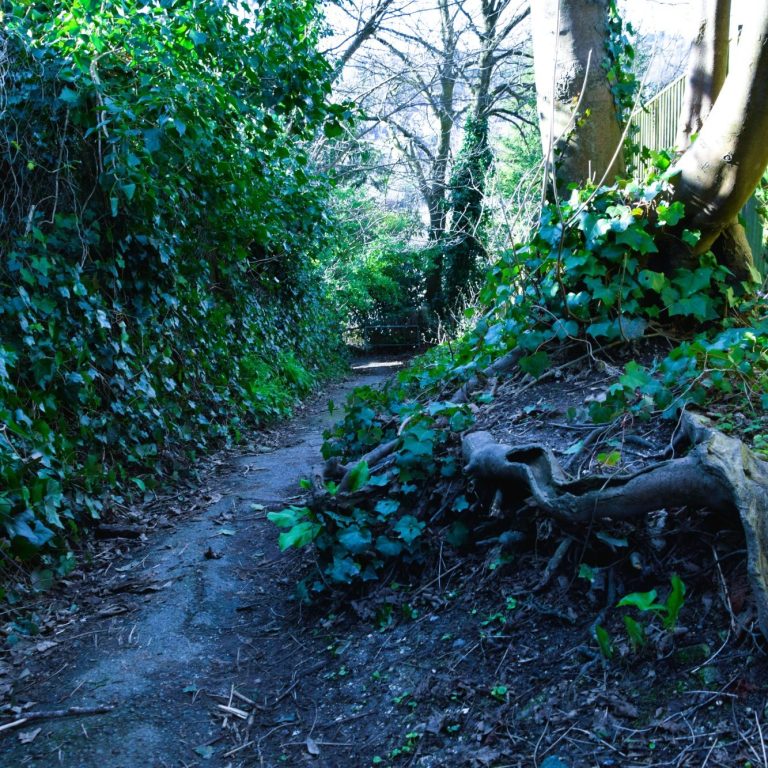
This is a 2025 photo of Ghost Alley. Ghost Alley's existence was kept when new housing was placed over the top entrance of it on Highview Avenue South. Sadly the skull house no longer appears to be there. If you wish to enter Ghost Alley from Highview Avenue South you'll need to take the footpath that is now situated on the far left hand side. It then leads round to the right to go down the hill towards Old London Road. Copyriight Patcham Pumpkins 2025.
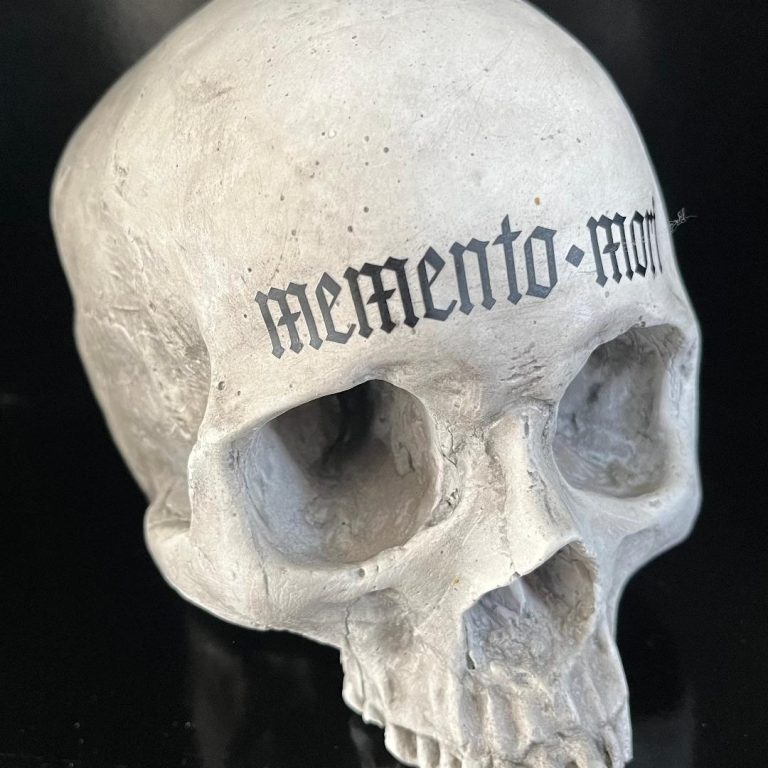
Sadly no photo of the skull in Ghost Alley can be found. This skull belongs to Patcham Pumpkins and is a replica made by The Blackened Teeth. Copyright Patcham Pumpkins 2025.
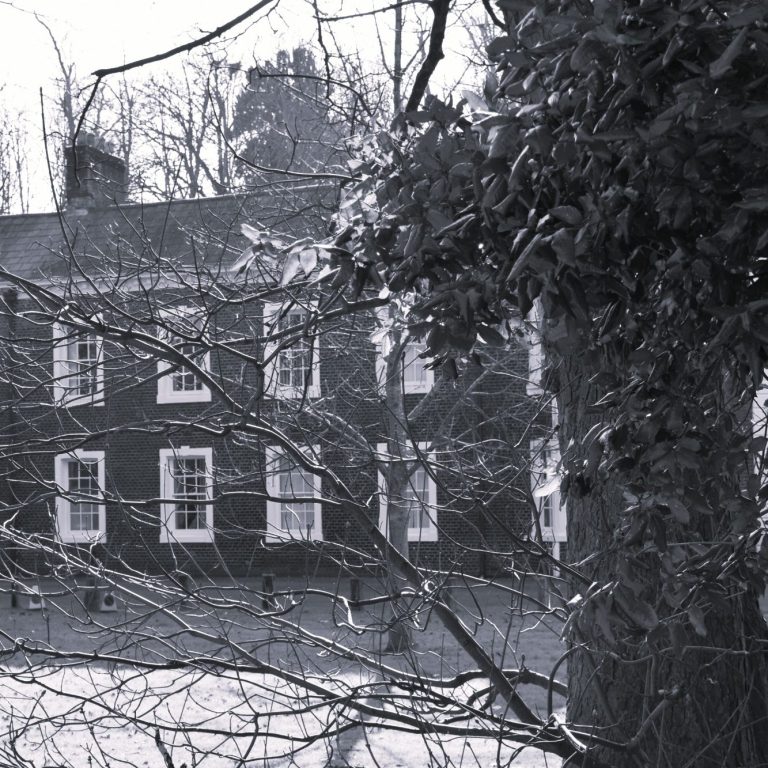
Patcham Place in 2025. Copyright Patcham Pumpkins 2025.
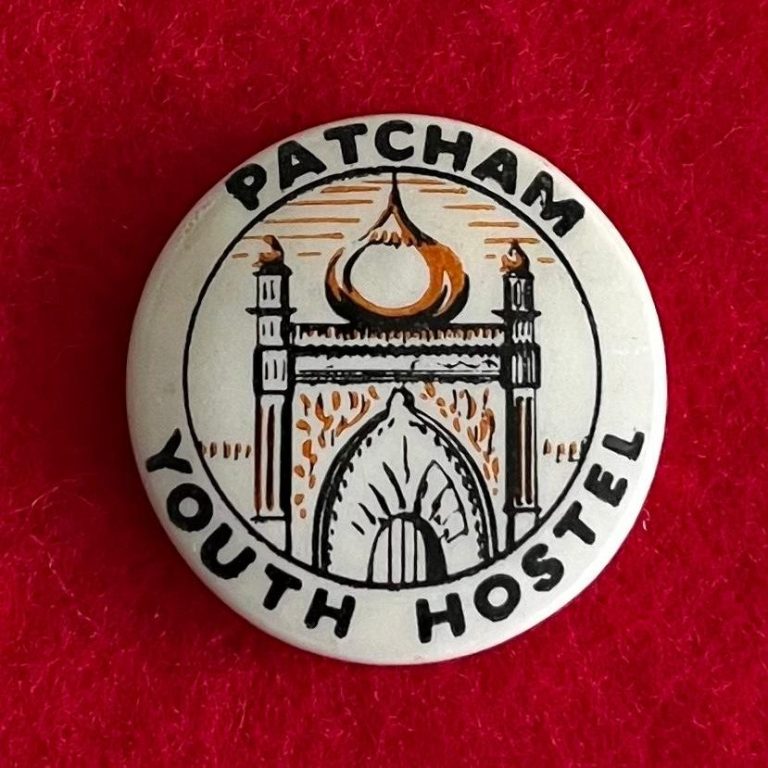
A photograph of a real Patcham Place Youth Hostel badge owned by Patcham Pumpkins. Photograph copyright Patcham Pumpkins 2025.

Are we sure the "man in the red coat" haunting the A23 is not Danny Robbins in a time slip on his way to visit the ghosts at Rottingdean? AI generated image Copyright Patcham Pumpkins 2025. Fun Fact - Patcham Pumpkins asked an AI to generate an image of a man in a red coat on a deserted road and this striking likeness of Danny Robbins the modern Godfather of Ghosts was the first result!

AI generated image, Copyright Patcham Pumpkins 2025.
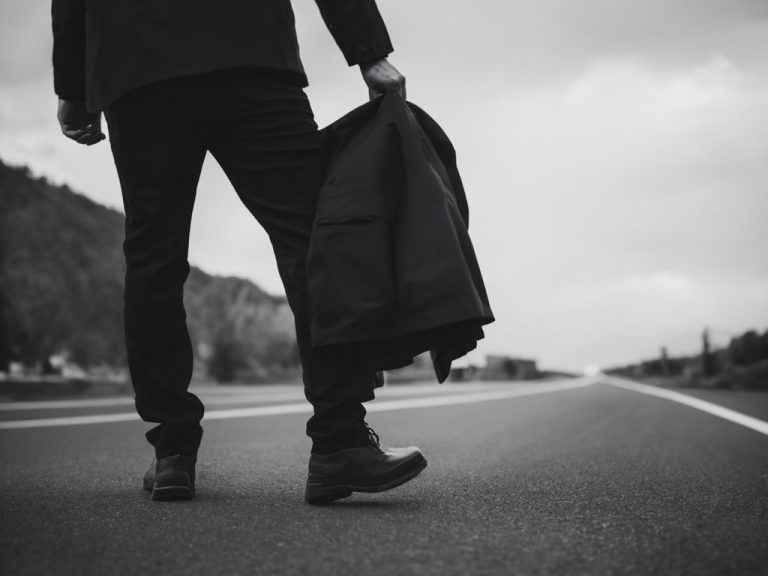
AI generated image of a Spectural Pedestrian. Copyright Patcham Pumpkins 2025.